Understanding Cervical Cancer
Cervical cancer is not just a personal health issue; it’s a public health challenge that demands urgent attention. In India, 1 woman succumbs to cervical cancer every five minutes, making it the Second most common cancer among Indian women after breast cancer. Yet, it remains one of the most preventable cancers with timely action.
What is Cervical Cancer?
Cervical cancer occurs in the cervix—the lower part of the uterus. It develops slowly, often starting as pre-cancerous changes caused by certain strains of the Human Papillomavirus (HPV). These high-risk HPV strains are sexually transmitted and can persist undetected, gradually leading to cancer. While cervical can cer may show no symptoms in its early stages, warning signs like abnormal vaginal bleeding, pelvic pain, or unusual discharge should not be ignored.
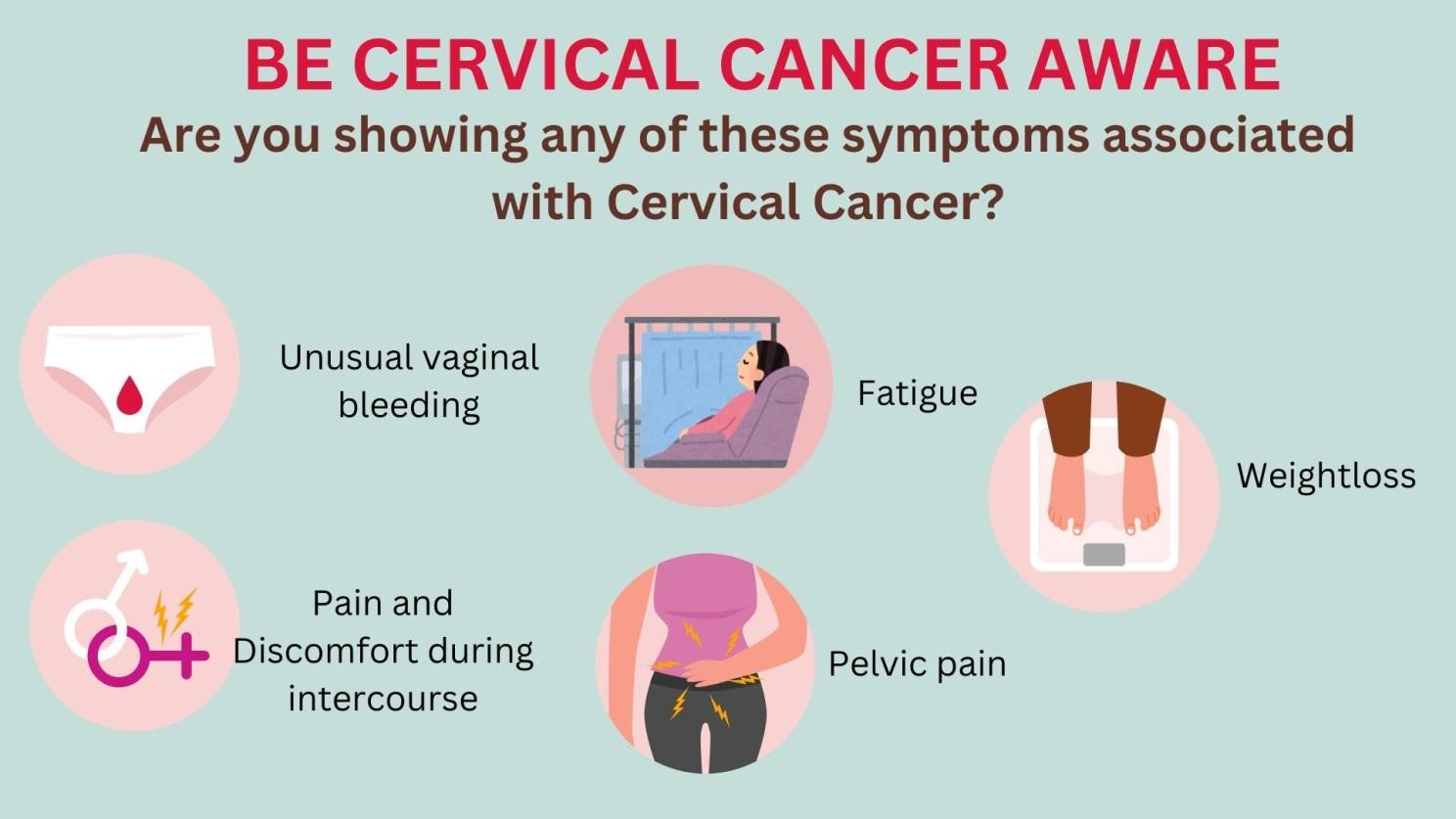
Cervical Cancer in India: A Grim Reality
India contributes 16% to the global burden of cervical cancer and records the highest mortality rates. However, the most unfortunate thing about this disease is that it is completely preventable; it is curable if diagnosed at an early stage.
Factors contributing to this high incidence include low awareness, stigma, and a lack of access to screening programs. It's critical to bridge this gap with education and accessible healthcare solutions.
Why Women's Preventive Health Matters
It has always been the role of women to be caregivers for their families, but it's unfortunate that many forget to take care of themselves. Diseases such as cervical cancer, among others, bring into light the need for frequent screening and prevention. The more equipped a woman is with self-monitoring tools, the healthier a society there can be.
Prevention is better than cure.
Here are 3 essential preventive measures every woman should know:
1. Vaccination:
HPV vaccination works best if given before exposure to the virus. Ideally, someone should get the vaccine between ages 9 and 26 years. However, all women can have a discussion with their doctors about receiving the vaccination.
2. Screening Tests:
Pap Smear: It detects the pre-cancerous change in the
cervix.
HPV Testing: Detection of high-risk HPV types that can cause cervical cancer.
3. Self-Sampling Kits:
Self-sampling kits offer a private, effective, and reliable means of detecting high-risk HPV in women for whom clinic-based access is a barrier.
Greenarray CerviSens HPV: Empowering Women Through Innovation
Greenarray is proud to introduce the CerviSens HPV High-Risk Genotyping Test: an easy, reliable self-sampling kit that will enable women to take their health into their own hands.
Why Choose CerviSens HPV Test?
- Simple & Private: Collect samples in the convenience of your own home.
- High Accuracy: It detects high-risk HPV genotypes that are linked to cervical cancer.
- Actionable Insights: Critical information for early intervention and medical management.
With CerviSens, we aim at making screening accessible, reducing stigma, and ensuring that no woman hesitates to take preventive action.