Understanding the Role of Gut Microbiome
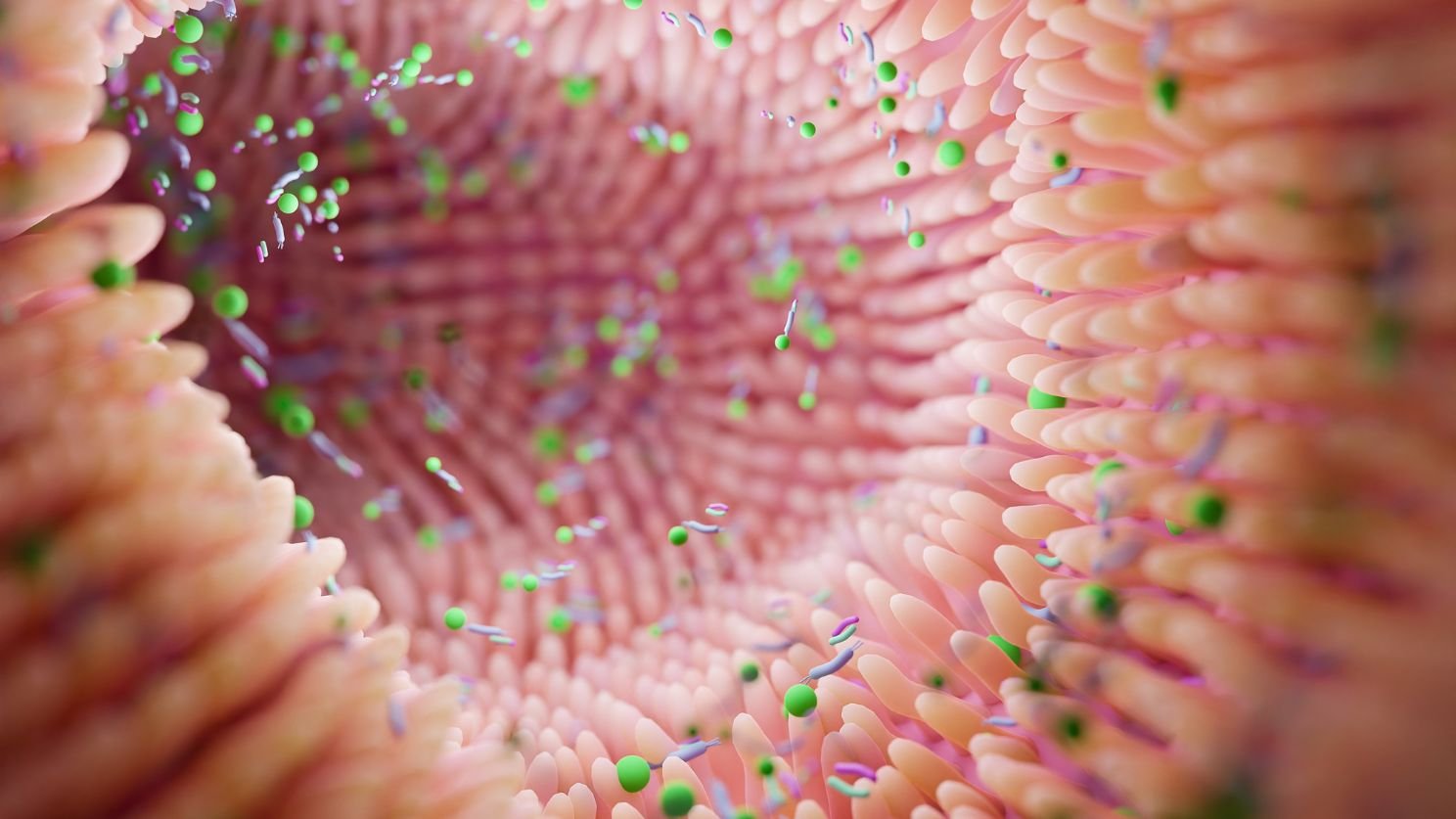
Within the human body resides a whole ecosystem of microorganisms known as the gut microbiome. Though most people associate bacteria with infections or sickness, bacteria residing in the human digestive system are very vital in the overall health of human beings. This population of trillions of microbes—mostly bacteria—functions like an organ, performing tasks that human cells cannot handle on their own. Over the past ten years, scientific study has uncovered that the health of our gut bacteria influences digestion, immunity, metabolism, hormone balance, mood, and even the risk of chronic diseases, making the microbiome one of the most transformational findings of modern healthcare.
What Exactly Is the Gut Microbiome?
The gut microbiome acts just like a balanced ecosystem, and when its microbial members live in harmony, it supports optimal physical and emotional wellbeing. When this balance is disrupted-a state known as dysbiosis-individuals can suffer from digestive problems, inflammation, bloating, weight fluctuations, chronic fatigue, skin problems, and/or increased vulnerability to illness.
How Gut Bacteria Help You Digest Food
The intestines are home to a complex community of microorganisms that play a critical role in breaking down complex fibers, digesting nutrients, synthesizing essential vitamins such as B12, folate, and vitamin K, and ensuring their effective absorption. This is the reason why two individuals on identical diets can see completely different digestive and metabolic outcomes-because of the way their gut bacteria process their food.
The Gut–Brain Connection
One of the most fascinating discoveries in gut science is a strong communication network between the gut and the brain: the gut–brain axis. Almost 90% of the body's serotonin-that neurotransmitter responsible for mood stability-is produced in the gut. Gut bacteria modulate stress hormones, emotional responses, and cognitive function, which explains why an imbalanced gut is often associated with anxiety, irritability, sleep disturbances, and brain fog. Researchers now view gut health as a central pillar in supporting emotional well-being and managing stress-related conditions.
The Immune System Starts in the Gut
Equally important is the gut-immune relationship, as roughly 70% of immune cells reside in the gastrointestinal tract. Gut bacteria help train immune cells to differentiate between injurious threats and harmless substances. If this balance is destroyed, the immune system either overreacts with chronic inflammation, allergies, or autoimmune conditions, or underreacts, leading to frequent infections. Chronic inflammation, common in modern life, often starts in the gut and contributes to conditions such as obesity, diabetes, PCOS, thyroid imbalance, joint issues, and skin disorders like acne and eczema. Beneficial bacteria produce anti-inflammatory compounds known as SCFAs, especially butyrate, which helps in maintaining a solid gut lining and modulating inflammation. When SCFA-producing bacteria go down, inflammation tends to go up.
Gut bacteria modulate metabolism and body weight. Certain bacterial groups regulate hunger hormones, influence fat storage, and affect how well the body turns food into energy. This explains how some people have to struggle with weight gain or insulin resistance even on the most rigid diets. The balance of hormones within the body, particularly estrogen metabolism, depends greatly on the gut microbiome.
How Gut Microbiome Testing Helps
As gut science continues to grow, gut microbiome testing in India has rapidly emerged as a powerful tool for personalized healthcare. Many advanced laboratories in India now offer cutting-edge gut microbiome tests using metagenomic sequencing to analyze microbial composition in high detail. These tests assess the abundance of beneficial and harmful bacteria, identify dysbiosis patterns, detect SCFA-producing strains, highlight inflammation-linked microbes, and measure overall microbial diversity. With increasing awareness among clinicians, nutritionists, gastroenterologists, and wellness practitioners, gut microbiome testing becomes a popular way to address conditions such as IBS, bloating, metabolic disorders, PCOS, skin conditions, autoimmune tendencies, and chronic fatigue.
Maintaining gut health does not demand radical diets or complex practices. It's just simple, regular habits: a diet high in fiber; fermented foods like curd and pickles made at home should be consumed regularly. Cut down on processed foods. Minimize stress, sleep better, and only take antibiotics when totally needed. When you take care of your gut environment with the right foods and habits, good bacteria will grow in numbers-and will, in turn, take care of your digestion, immunity, mood, metabolic balance, and long-term well-being.
Ultimately, it is the little bacteria in your gut that make a huge difference to your overall health. Knowing them through mindful lifestyle choices and by using advanced gut microbiome testing, now widely available in India, can transform how you feel-from the inside out. As science continues to dig deeper into the depth of this microbial universe, one thing remains clear: a gut in good condition is the foundation of a healthier and more resilient life.